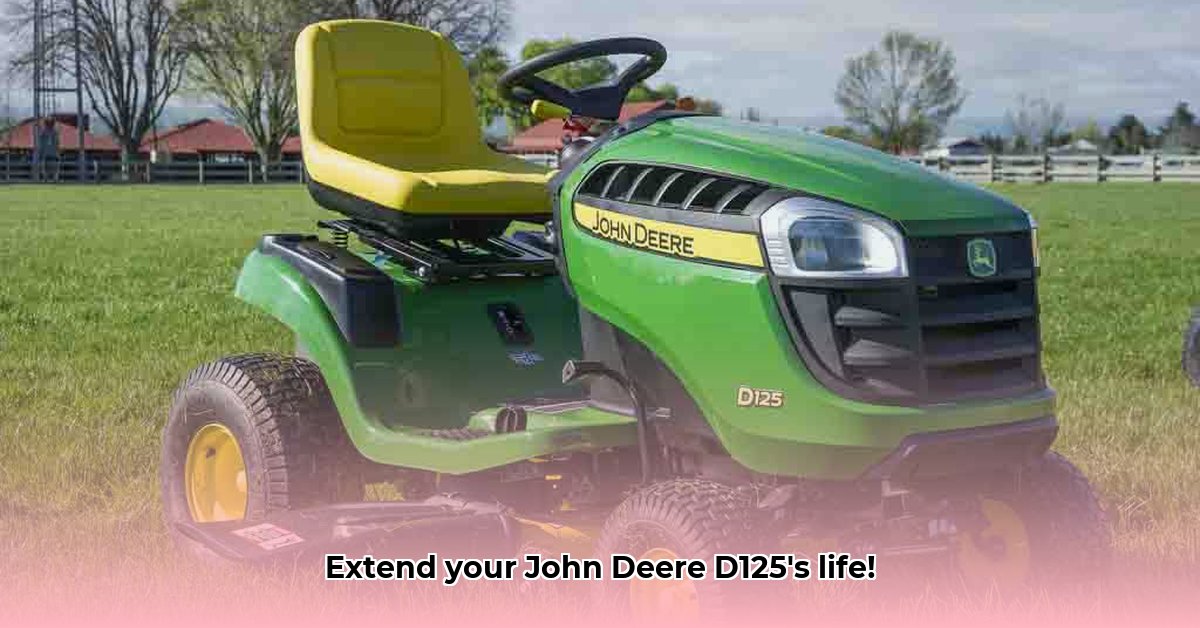
John Deere D125 Lawn Tractor: Extending its Lifespan Through DIY Maintenance
The John Deere D125 lawn tractor, while discontinued, remains a reliable workhorse for many homeowners. Its robust build and dependable engine can provide years of service with proper care. This guide helps you extend your D125's lifespan through preventative maintenance and troubleshooting common issues. Maintaining your D125 not only saves you money on repairs but also promotes sustainable landscaping practices. For more information on John Deere tractor values, check out this helpful resource: John Deere Value.
Understanding Your John Deere D125: A Key to Longevity
Before diving into maintenance, understanding your D125's key components is crucial. The D125's design prioritizes durability. Key features like the cutting deck, engine (often a Briggs & Stratton or similar), and transmission contribute to its longevity. However, regular maintenance is essential to prevent costly repairs and ensure smooth operation. Familiarity with these components will greatly assist in diagnosing potential problems. Always refer to your owner's manual for detailed diagrams.
Preventative Maintenance Schedule: Your Proactive Approach
Regular maintenance is key to preventing costly repairs. Here’s a three-stage schedule:
1. Pre-Season Checkup: Before the first cut, perform these checks:
- Step 1: Belt Inspection: Inspect belts for cracks, fraying, or wear. Replace damaged belts immediately to avoid mower downtime.
- Step 2: Oil Change: Change the engine oil (using the type and weight specified in your manual). Fresh oil ensures smooth engine operation.
- Step 3: Air Filter Cleaning: Clean or replace the air filter. A clean filter maximizes engine performance and efficiency.
- Step 4: Blade Sharpening: Sharpen or replace dull blades. Sharp blades create a cleaner cut and prevent damage to your lawn.
- Step 5: Tire Pressure Check: Inflate tires to the recommended pressure. Proper inflation improves traction and reduces wear.
- Step 6: Fastener Check: Tighten any loose bolts, nuts, or connections to prevent vibrations and potential component failures.
2. Mid-Season Tune-Up: Maintain your D125's peak performance mid-season:
- Step 1: Oil Level Check: Check and top off the engine oil as needed.
- Step 2: Fuel Filter Check: Inspect the fuel filter for any signs of clogging. Replace if necessary to ensure proper fuel flow.
- Step 3: Deck Cleaning: Thoroughly clean the underside of the mower deck to remove grass buildup and maintain cutting efficiency.
3. Post-Season Storage: Proper winter storage protects your D125:
- Step 1: Final Oil Change: Perform a final oil change before storage.
- Step 2: Thorough Deck Cleaning: Repeat thorough deck cleaning to remove all debris.
- Step 3: Protected Storage: Store in a dry, sheltered location.
- Step 4: Fuel Stabilizer: Add fuel stabilizer to prevent fuel degradation during storage.
Troubleshooting Common D125 Issues: Quick Fixes for Common Problems
Even with regular maintenance, problems may arise. Here's a guide for common issues:
| Problem | Possible Causes | Solutions |
|---|---|---|
| Engine Won't Start | Dead battery, low fuel, clogged air filter | Check battery, fuel level; clean or replace air filter. |
| Blade Doesn't Engage | Broken belt, faulty safety switch | Inspect drive belt and safety switch; replace as needed. |
| Frequent Deck Clogging | Dull blades, tall grass, improper mowing | Sharpen or replace blades; mow regularly; adjust mowing height. |
| * Engine Overheating | Low oil level, clogged cooling fins | Check oil level; clean cooling fins. |
| Unusual Noises | Loose bolts, worn bearings | Tighten bolts; check for worn bearings; consult a repair manual. |
Advanced Maintenance & Repairs: For the Experienced DIYer
More complex repairs (belt replacement, carburetor cleaning) require expertise and specialized tools. Consult your owner's manual and proceed with caution. If unsure, seek professional assistance. Improper repairs can cause further damage.
Sourcing Parts: Finding the Right Components
Finding parts for a discontinued model may require searching multiple sources. Begin with the John Deere website 1. Local dealers, online marketplaces, and independent parts suppliers are alternative options. Always verify part compatibility before purchasing.
Responsible Disposal and Recycling: Sustainable Practices
When your D125 reaches the end of its life, dispose of it responsibly. Contact your local waste management facility for recycling and disposal options. Proper disposal protects the environment and adheres to local regulations.
Conclusion: Maximize Your D125's Lifespan
Following this guide helps extend your D125's lifespan. Regular maintenance, proactive troubleshooting, and responsible disposal contribute to sustainable lawn care and save you money in the long run.